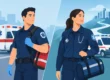
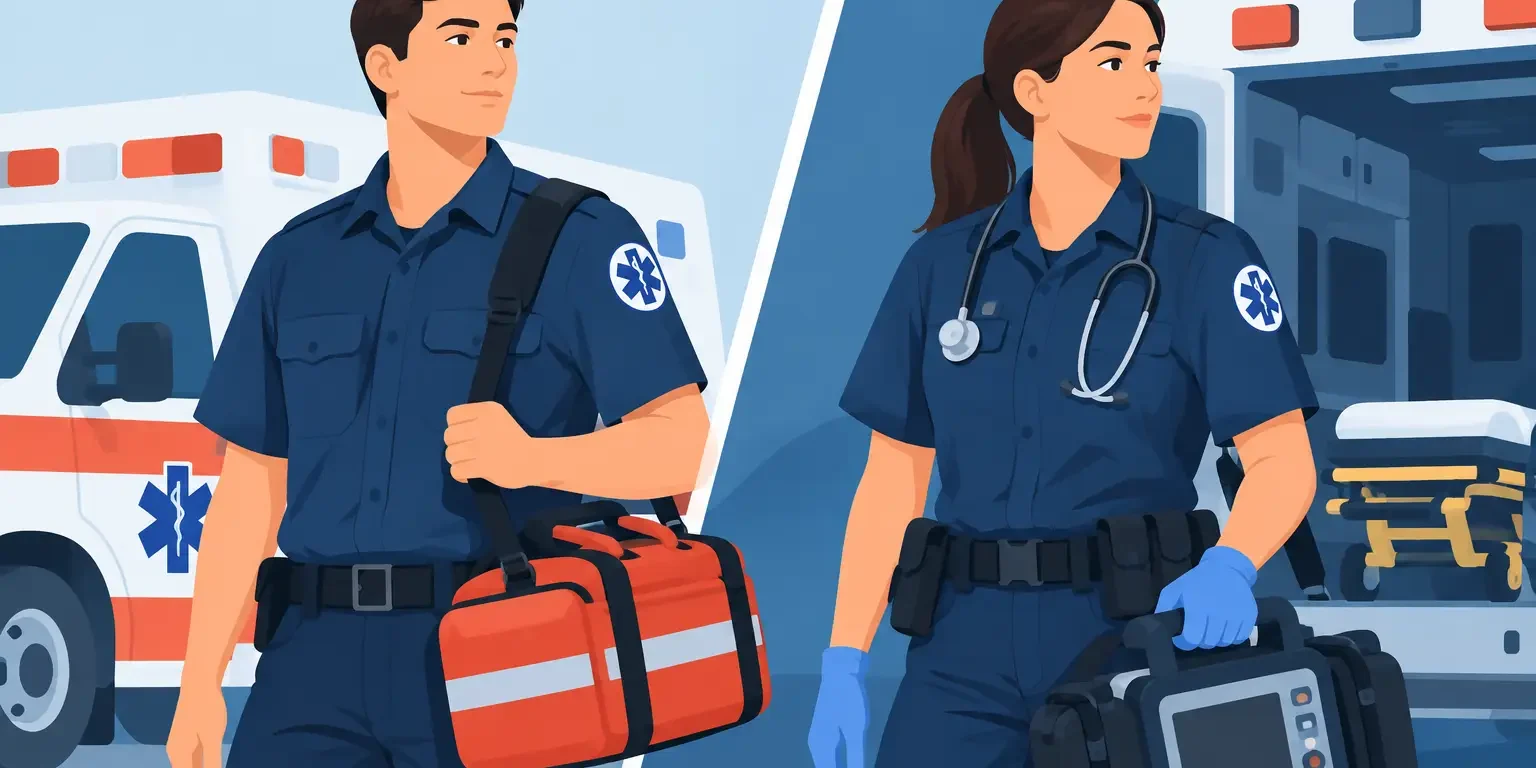
A 911 call can change quickly. A patient who seems stable at the door may need oxygen, cardiac monitoring, medication, rapid transport, or several of those interventions at once. Understanding the difference between EMT versus paramedic helps future EMS professionals choose a training path that matches their goals, readiness, and commitment to patient care.
Both roles are essential to the emergency response system. EMTs and paramedics work together on ambulances, at public events, in hospitals, and alongside fire and law enforcement agencies. The distinction is not about which role matters more. It is about level of education, scope of practice, clinical responsibility, and the kinds of decisions each provider is prepared to make.
EMT Versus Paramedic: The Core Difference
An Emergency Medical Technician, commonly called an EMT, is trained to provide basic emergency medical care and transport. EMTs assess patients, recognize immediate threats, perform essential interventions, and help deliver patients safely to the appropriate hospital or care setting.
A paramedic has advanced clinical training beyond the EMT level. Paramedics are prepared for more complex patient assessment and treatment, including advanced airway management, cardiac monitoring, intravenous access, and administration of a broader range of medications within their authorized scope and local protocols.
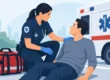
On an ambulance, an EMT may be the first provider to make contact with a patient, obtain a medical history, take vital signs, control bleeding, assist with oxygen, use an automated external defibrillator when indicated, and prepare the patient for transport. A paramedic may take the lead when a patient has severe breathing distress, signs of a heart attack, a dangerous heart rhythm, altered mental status, or another condition requiring advanced treatment.
The exact scope of practice varies by state, regional system, medical direction, and agency policy. In New York, EMS providers must work under current state requirements and regional protocols. Training is not simply about memorizing a list of skills. It is about learning when an intervention is appropriate, communicating clearly with a partner and hospital staff, and treating every patient with sound judgment.
What EMT Training Prepares You to Do
For many people, EMT certification is the practical first step into emergency medical services. It can also support future goals in firefighting, law enforcement, nursing, emergency management, hospital care, and other healthcare professions.
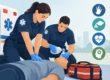
Basic EMT education focuses on the skills needed to manage medical and trauma emergencies before a patient reaches the hospital. Students learn patient assessment, CPR and basic life support, bleeding control, splinting, oxygen therapy, safe lifting and moving, ambulance operations, documentation, and communication. They also learn to recognize conditions that require immediate action, including stroke symptoms, allergic reactions, diabetic emergencies, seizures, overdose, shock, and respiratory distress.
The work is hands-on. An EMT must remain calm when a family is frightened, a scene is crowded, or a patient cannot clearly explain what is wrong. Good EMTs combine technical ability with professionalism. They protect patient privacy, follow protocols, work safely around hazards, and communicate with respect across every type of community and circumstance.
EMT training is often a strong choice for someone who wants to enter EMS without first committing to the longer and more advanced paramedic education process. It allows students to test whether the demands of emergency care fit their strengths while earning a recognized New York State credential.
The EMT role in the field
EMTs often work as part of a two-person crew, although staffing models differ by agency. They may respond to 911 calls, scheduled medical transports, standbys at sporting events, or incidents involving multiple patients. In some systems, EMTs staff basic life support ambulances independently. In others, they work alongside paramedics on advanced life support units.
That means EMT work is not passive observation. EMTs make important patient-care decisions every shift. They identify what needs immediate attention, begin treatment within their scope, request additional resources when necessary, and provide a clear report to the receiving facility.
What Paramedic Training Adds
Paramedic education builds on the foundation of EMT knowledge. It requires a deeper understanding of anatomy, physiology, disease processes, pharmacology, electrocardiography, and advanced patient assessment. The clinical responsibility is greater because paramedics may perform more advanced interventions in time-sensitive emergencies.
A paramedic may interpret cardiac rhythms, establish intravenous or intraosseous access, administer medications, manage advanced airways, assist patients in respiratory failure, and treat complex cardiac, medical, and traumatic emergencies under protocol and medical direction. Paramedics must also decide how a patient’s condition is changing and whether treatment priorities need to shift during transport.
The training commitment is correspondingly more substantial. Paramedic students complete classroom instruction, skills practice, clinical experiences, and field internship requirements. The work requires consistent study habits, emotional maturity, and the ability to receive feedback. A paramedic must be prepared to explain not only what treatment was provided, but why it was clinically appropriate.
For students who enjoy science, want greater responsibility in the field, and see themselves building a long-term clinical career in EMS, paramedic education can be a meaningful next step. It is not automatically the right next step for every EMT. Some professionals build satisfying careers as EMTs, while others use EMT certification as a foundation for nursing, physician assistant studies, firefighting, or other public-safety roles.
Training Time, Cost, and Career Commitment
When comparing EMT versus paramedic, it helps to be honest about the investment each path requires. EMT courses are generally shorter than paramedic programs and are designed to prepare students for entry-level emergency care and certification examinations. Students still need to attend class consistently, practice skills, study course material, and meet all required testing standards.
Paramedic education takes more time because the clinical knowledge and practical expectations are more extensive. Students should expect a demanding schedule that may include classroom sessions, labs, hospital clinical rotations, and ambulance field experience. The financial commitment can also be higher, particularly when tuition, uniforms, equipment, examination fees, and time away from work are considered.
Neither path should be chosen solely because it appears faster or more prestigious. The better question is: what role do you want to perform when a patient needs help? If you want to begin serving sooner, gain experience, and build confidence in basic life support, EMT training may be the right starting point. If you are ready for a longer academic and clinical commitment with a broader treatment scope, paramedic education may fit your goals.
Choosing the Right Starting Point in New York
For most new EMS students, starting as an EMT is the clearest route. It provides the patient-care foundation that advanced education depends on. You learn how to approach a scene, form a patient impression, manage immediate threats, document care, and work as part of a crew before taking on advanced procedures.
Students should also consider their current obligations. A working adult, recent graduate, or career changer may need a course schedule that supports consistent attendance and dedicated study time. Emergency medical education rewards preparation. Missing skills sessions or falling behind on assessment concepts can make later material much harder.
At TIMER, students learn from active and experienced EMS, hospital, nursing, and emergency-response professionals who understand what strong field preparation requires. A quality EMT course should prepare students for certification while giving them repeated opportunities to practice the decision-making and communication that real calls demand.
Questions to ask before enrolling
Before choosing a course, consider whether you meet New York State eligibility requirements, whether the schedule is realistic for your work and family commitments, and whether you are ready for hands-on participation. Ask how skills are taught, how remediation is handled, and how the program prepares students for required written and practical examinations.
It is also worth thinking beyond the certificate. Do you want to work on an ambulance? Strengthen an application for a fire department or healthcare program? Gain clinical exposure before pursuing nursing or medical school? Your answer can help determine whether EMT certification is your destination or the first stage of a longer professional plan.
A Career Built on Preparedness
Emergency medical services is demanding work. Calls may involve pain, uncertainty, grief, and fast decisions. They also offer the chance to provide order and competent care when patients and families need it most. Whether you choose the EMT path or continue toward paramedic training, the standard is the same: show up prepared, respect the responsibility, and keep building the judgment that patients depend on.
The best place to begin is with a realistic commitment to learning. Strong emergency responders are not defined only by the skills they perform, but by the discipline they bring to every patient, every partner, and every call.