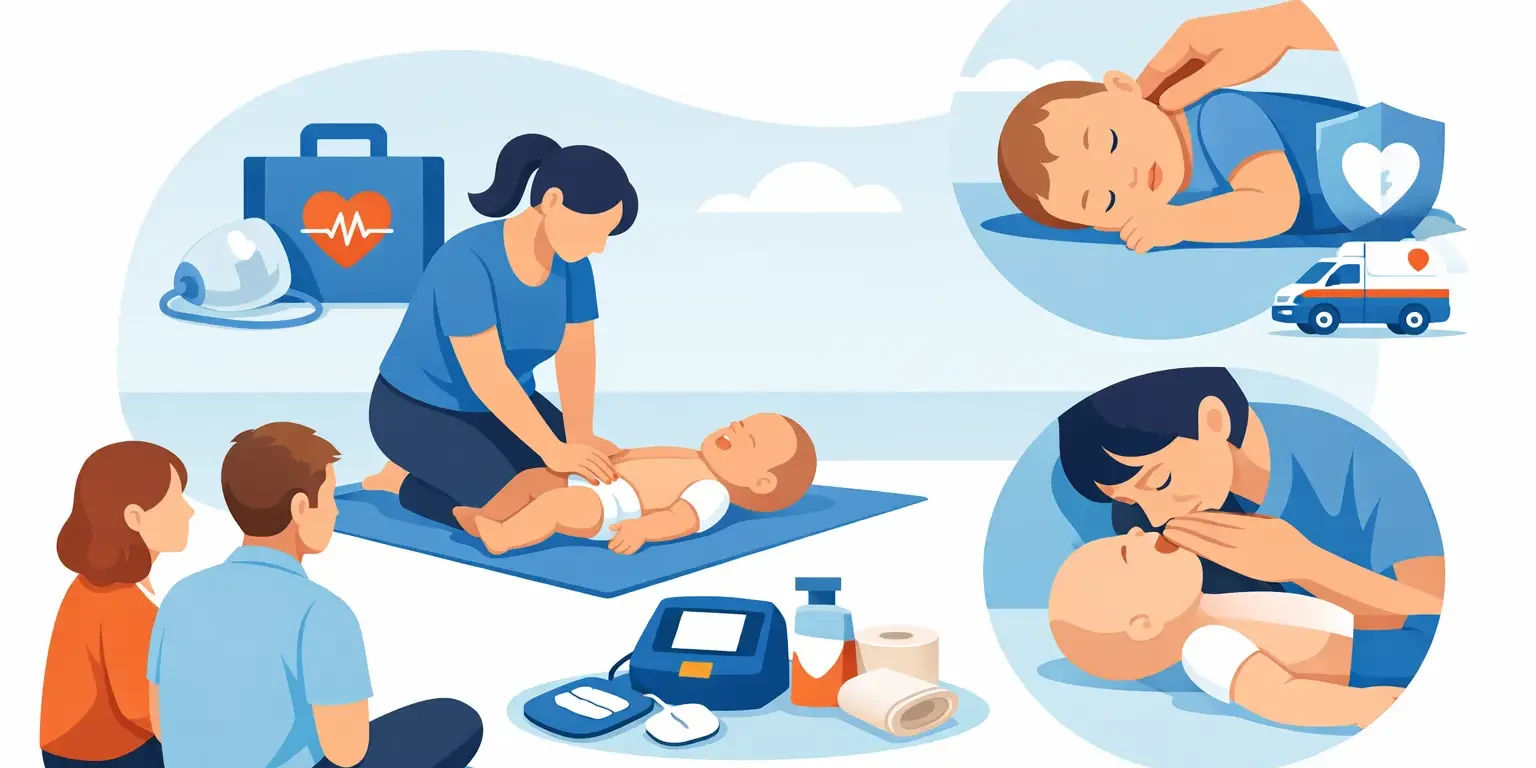
A baby who suddenly stops breathing, begins choking during a feeding, or develops signs of a serious allergic reaction needs more than a quick internet search. Infant first aid and CPR classes give parents, grandparents, babysitters, childcare staff, and future healthcare professionals a structured way to recognize an emergency and take appropriate action until advanced help arrives.
For families in Staten Island and throughout New York City, this training is not about expecting the worst. It is about being prepared to act calmly when minutes matter. A well-taught course builds practical skills, explains why infant emergencies require a different response than adult emergencies, and gives participants the chance to practice under the guidance of an experienced instructor.
Why Infant Emergencies Require Specialized Training
Infants are not simply smaller children. Their airways are smaller, their bodies respond differently to illness and injury, and they cannot describe what they feel. A change in skin color, breathing, alertness, feeding, or muscle tone may be an early warning sign that requires immediate attention.
That is why infant first aid training should be taught separately from general adult CPR education or, at minimum, include a dedicated infant skills component. Participants need to understand the age-appropriate differences in assessment, positioning, choking response, CPR techniques, and the use of emergency equipment.
The goal is not to turn a parent or caregiver into an EMT. Emergency medical training involves a broader scope of patient assessment, equipment use, protocols, and clinical decision-making. However, a quality first aid and CPR course helps a lay responder recognize when a situation is serious, call 911 promptly, provide appropriate initial care, and communicate clearly with responding EMS personnel.
What Infant First Aid and CPR Classes Cover
The strongest courses combine instructor-led discussion with hands-on practice. Reading about an emergency is useful, but it does not create the same readiness as working through a scenario, handling training equipment, and receiving immediate correction from an instructor.
Infant CPR and Choking Response
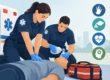
CPR training focuses on recognizing unresponsiveness and abnormal breathing, activating emergency services, and providing care within the scope of the course curriculum. Participants practice on infant manikins so they can develop appropriate hand placement, body positioning, and rhythm under supervision.
Choking emergencies are another essential part of infant instruction. Infants explore their environment with their mouths, and a small object or food item can quickly become dangerous. A class teaches caregivers how to recognize the difference between a cough that is moving air and a severe airway obstruction, then practice the age-appropriate response on a training manikin.
These skills should be practiced, not merely demonstrated. Confidence comes from repetition and feedback, especially for a caregiver who may need to respond while frightened or under pressure.
Common First Aid Concerns for Infants
First aid instruction often addresses the situations caregivers are most likely to encounter at home, in childcare settings, or while traveling. Depending on the course format and certifying organization, topics may include burns, bleeding, falls, seizures, poisoning, allergic reactions, heat-related illness, and sudden changes in responsiveness.
Participants also learn the value of observation. In an infant, a minor-looking issue can become more serious when it affects breathing, feeding, behavior, or level of alertness. A course should help caregivers identify red flags and understand when it is appropriate to contact a pediatrician, seek urgent medical evaluation, or call 911.
No class can cover every possible condition. That is a reason to choose training that teaches sound decision-making rather than asking participants to memorize a long list of isolated facts.
Prevention Is Part of First Aid
A practical course does more than prepare people for emergencies. It helps reduce preventable risks. Instructors may discuss safe sleep considerations, choking hazards, medication storage, household poison exposure, water safety, car-seat awareness, and the importance of supervising infants during meals and play.
Prevention conversations should remain realistic. Families cannot remove every risk from daily life, and caregivers should not leave a course feeling overwhelmed. The purpose is to recognize common hazards, build safer routines, and know what to do if prevention fails.
What to Look for in a Course
Not every class provides the same value. A brief online module may be convenient for learning basic concepts, but it cannot fully replace hands-on practice for CPR and choking skills. If a participant will be responsible for an infant, especially in a childcare, healthcare, or public-safety role, instructor-led training is generally the stronger choice.
Look for a course with current curriculum, recognized certification standards where certification is needed, and ample time for skills practice. Ask whether participants work with infant manikins, whether the instructor provides individual feedback, and whether the class includes a written or practical assessment.
Instructor experience also matters. A teacher with EMS, hospital, nursing, or emergency-response experience can connect course material to real patient-care situations without making the class unnecessarily intimidating. They can explain what happens after 911 is called, what information responders need, and how early actions by a caregiver can support a better handoff.
Course length is a trade-off worth considering. A shorter session may fit a busy schedule, but it may allow less time for questions and practice. A longer class can offer more repetition and scenario work. For first-time parents, new babysitters, or professionals who have not practiced CPR recently, additional hands-on time is often worthwhile.
Who Benefits From This Training
Infant CPR and first aid education is valuable for anyone responsible for a baby, not only new parents. Grandparents may be caring for infants after years away from early childhood routines. Babysitters and nannies need practical readiness before they are left alone with a child. Daycare employees may be required by an employer or licensing standard to maintain current certification.
The training also fits naturally for people preparing for careers in healthcare and emergency services. Aspiring EMTs, firefighters, nursing students, hospital employees, and medical assistants benefit from early exposure to calm, organized emergency response. While a community CPR class is not a substitute for New York State EMT education, it can reinforce the mindset that strong patient care begins with observation, preparation, and decisive action.
TIMER has long emphasized this hands-on approach to emergency education: practical skills, experienced instruction, and the professional standard of being prepared to help when a neighbor, patient, or family member needs care.
How to Get the Most From Class
Arrive ready to participate. Wear comfortable clothing, expect to spend time on the floor or at a training station, and ask questions about situations that concern you. If you are a parent, bring up the emergencies you worry about most. If you are a babysitter or childcare provider, ask how course skills apply in the setting where you work.
After class, keep your knowledge active. Review the material provided by the course, know where emergency supplies are stored, and make sure everyone in the household can identify the home address and call 911. Certification periods vary by program, but skills can fade well before a card expires. Refreshing training and practicing periodically can make a meaningful difference.
Most of all, choose a class before you need it. The right time to learn infant first aid is not during an emergency. It is on an ordinary day, in a structured classroom, with an instructor who can help you practice until the response feels clear and manageable.